
Risk factors for suicide have been investigated at the population and individual levels; in addition, predisposing factors and precipitating events have been examined, mainly at the individual level. Each of these factors can be mediated through genetic, psychological, and personality characteristics, making most explanatory models complex and difficult to interpret. One approach to understanding suicide has been life-course analysis, which is based on the premise that risk factors come into play at different stages of life and that suicide is the cumulative result of risk factors over a lifetime.
Surveillance Case Definitions for Human Infection with Novel Coronavirus (Covid-19)
Reported symptoms have included fever in 90% of cases, fatigue and a dry cough in 80%, and shortness of breath in 20%, with respiratory distress in 15%. Chest x-rays have revealed signs in both lungs. Vital signs were generally stable at the time of admission of those hospitalised. Blood tests have commonly shown low white blood cell counts (leucopenia and lymphopenia).
Diagnostic Criteria for Myalgic Encephalomyelitis/Chronic Fatigue Syndrome (ME/CFS)
Myalgic encephalomyelitis/chronic fatigue syndrome (ME/CFS) is a disease characterized by chronic, profound, disabling, and unexplained fatigue.
Fisiología del Ejercicio Físico (Parte V) – Adaptaciones Respiratorias, Hematológicas y Medio Interno
IV – Adaptaciones respiratorias
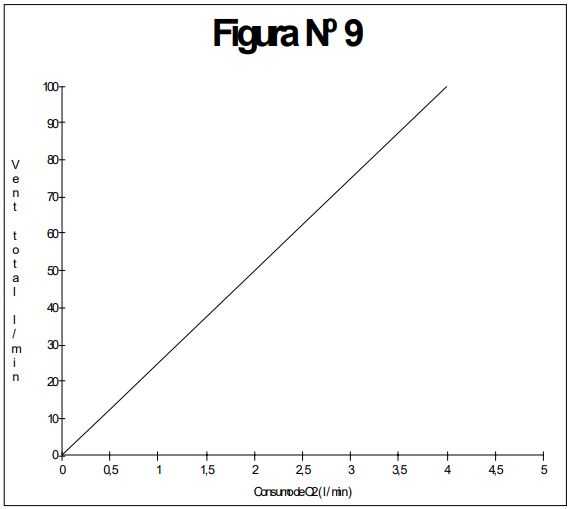
Consumo de O2 y ventilación pulmonar
El consumo normal de O2 para el varón adulto joven en reposo es de 250 ml/min, pero en condiciones extremas este valor puede llegar a 3600 ml/min sin entrenamiento, 4000 ml/min con entrenamiento deportivo, y 5100 ml/min en un corredor de maratón masculino.
Fisiología del Ejercicio Físico (Parte IV) – Adaptaciones Cardíacas
III – Adaptaciones cardíacas
En los períodos de reposo, los músculos almacenan sustancias nutritivas en cantidades suficientes como para iniciar y mantener el ejercicio hasta que se puedan movilizar las reservas, pero no tienen capacidad de almacenar O2, por lo que el aumento de las necesidades de O2 debe ser satisfecho de dos maneras:
Fisiología del Ejercicio Físico (Parte III) – Adaptaciones Circulatorias
II – Adaptaciones circulatorias
Durante el ejercicio, el mayor requerimiento de O2 por los músculos que se contraen es satisfecho por un aumento del aporte sanguíneo a los músculos, esto es posible porque el corazón bombea más sangre por minuto y porque ocurren adaptaciones circulatorias, que desvían gran parte del torrente sanguíneo desde tejidos menos activos hacia los músculos.
(Español) Fisiología del Ejercicio Físico (Parte II) – Adaptaciones Orgánicas
Sorry, this entry is only available in Español.
STOPP/START Criteria for Potentially Inappropriate Prescribing in Older People
Adverse drug reactions (ADRs) in older people currently represent a serious and growing public health problem. Polypharmacy and inappropriate prescribing (IP) are wellknown risk factors for ADRs, which commonly cause adverse clinical outcomes in older people IP encompasses potentially inappropriate medications (PIMs) and potential prescribing omissions (PPOs). STOPP/START criteria for potential IP in older people recognise the dual nature of IP by including a list of PIMs (STOPP criteria) and PPOs (START criteria).
Fisiología del Ejercicio Físico (Parte I) – Clasificación y Fases
Introducción
El ejercicio físico es una actividad que desarrollan todos los seres humanos, en distinto grado, durante su existencia. Como fundamento de su conocimiento y significado es necesario conocer los mecanismos fisiológicos que le sirven de base.
La tendencia al ejercicio y actos locomotores rítmicos es una tendencia natural que tiene rico tono afectivo y produce placer. Esos y otros factores fisiológicos tienen gran importancia en el ejercicio.
Definition of Transgender Persons
Gender identity is the term used to describe a person’s sense of being male, female, neither, or some combination of both. The terms “transgender,” “transsexual,” “trans,” “gender nonbinary,” “gender incongruent,” and “genderqueer” are adjectives for persons with gender identities that are not aligned with the sex recorded at birth. “Cisgender” is the term for persons who are not transgender – that is, persons whose sex recorded at birth aligns with their gender identity.